


Docks · trade · architecture · people
A port city written in stone and water.
Discover the docks, civic buildings and trading quarters that tell Liverpool’s global maritime story—and understand how this remarkable urban landscape continues to evolve.
About this site
Read the city through its waterfront.
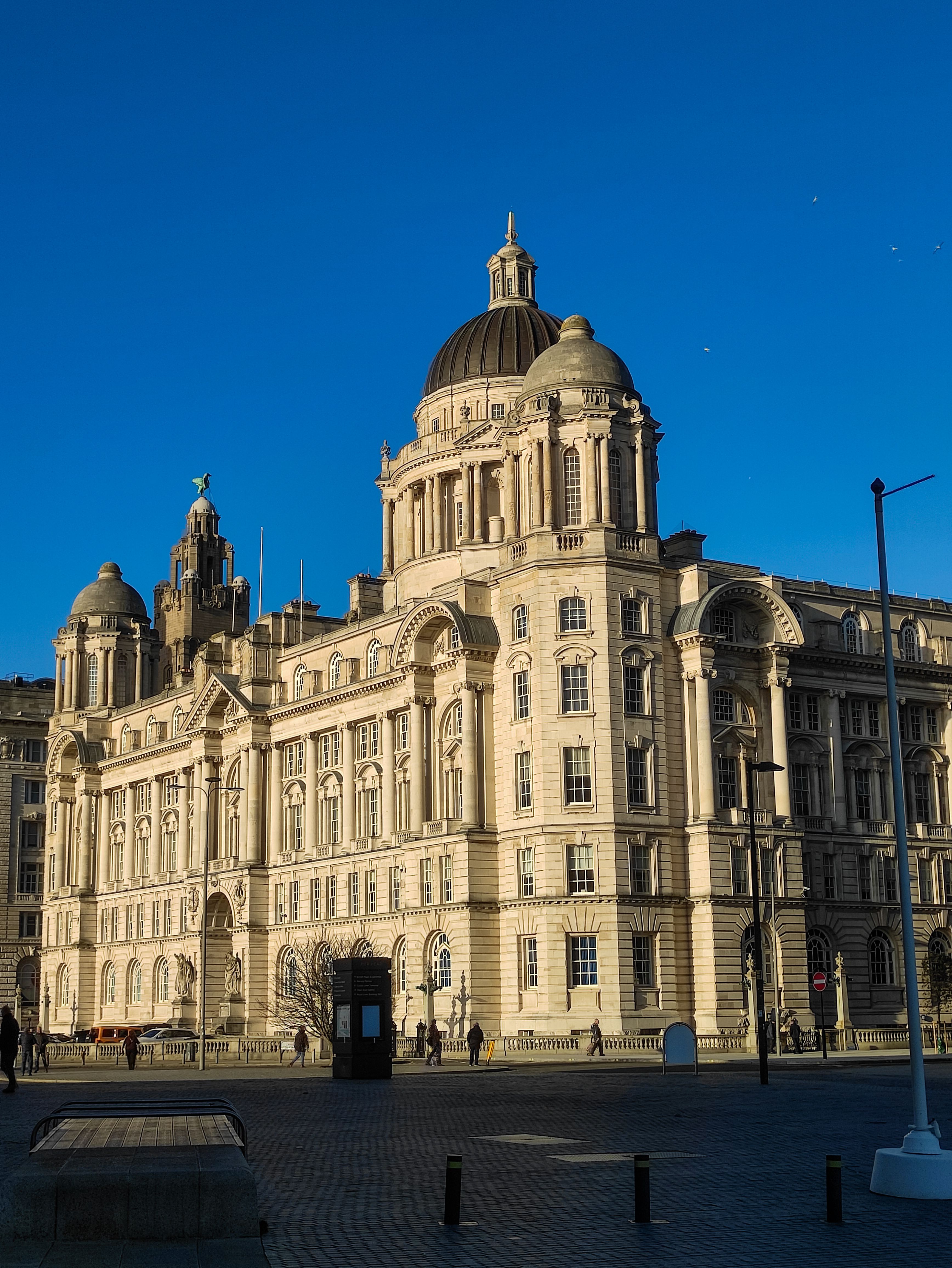
This is a guide to Liverpool’s historic maritime trade landscape: the infrastructure, architecture, and public spaces shaped by centuries of trade.
The area was inscribed on the World Heritage List in 2004 and removed from that list in 2021. Its surviving docks and monumental buildings nevertheless remain nationally and internationally significant. We explain that history clearly, without treating heritage as frozen in time.
Understand the historic designation and its legacy →
Explore Liverpool
Seven character areas
From the ceremonial riverfront to warehouses, civic institutions and trading streets, each district reveals a different layer of the port city.





How we work
Context before conclusions.
Our guides connect visible details to reliable historical context, helping readers investigate the urban landscape thoughtfully.
Define the place
Start with the seven character areas and their relationship to the river.
Read the fabric
Look closely at docks, warehouses, offices, streets and civic architecture.
Explain significance
Connect physical evidence with Liverpool’s maritime and mercantile history.
Track change
Consider conservation, adaptation and development as part of a living city.
A wider view
Heritage ports around the world
Distinctive waterfronts help us compare how trade, engineering and civic ambition shaped different cities. These examples provide visual context rather than direct equivalents.

Historic Centre of Porto, Portugal
A layered river city whose dense mercantile quarters rise above the Douro waterfront.

Amsterdam Canal Ring, Netherlands
Seventeenth-century canals, merchants’ houses and warehouses express planned commercial expansion.

Speicherstadt, Hamburg
A vast late nineteenth-century warehouse ensemble built on narrow islands within the port.

Bryggen, Bergen
Timber trading buildings preserve the form and atmosphere of a historic North Sea port.

Valparaíso, Chile
A steep Pacific port whose streets, lifts and varied architecture reflect its trading history.
Heritage status and boundaries can change. For formal records, consult the relevant national and international heritage authorities.
Practical context
Questions, answered.
Is Liverpool currently a World Heritage Site?
No. The maritime mercantile city was inscribed in 2004 and removed from the World Heritage List in 2021. Its buildings and areas may still be protected through national and local designations.
Why does the former designation still matter?
It documented the international significance of Liverpool’s port infrastructure, commercial architecture and role in global trade. The debate surrounding change also offers important lessons for conservation.
What is included in this guide?
Area introductions, architectural context, conservation themes, publications and routes for exploring the historic waterfront and central districts.
Can I explore the areas on foot?
Many locations are connected by public streets and waterfront routes. Check current access, weather and transport information before setting out.
Where can I learn about conservation policy?
Our protecting heritage section introduces the local plan, management planning and conservation principles relevant to the area.
Does Liv World Heritage run guided visits?
Use the heritage tours page for available visitor information. Details may change, so verify arrangements before travelling.
Start with the waterfront.
Follow the river, docks and trading streets through a landscape where engineering and civic ambition meet.