
Management Plan
A shared framework can define significance, priorities and coordinated action across a complex historic urban landscape.
Explore the Management Plan →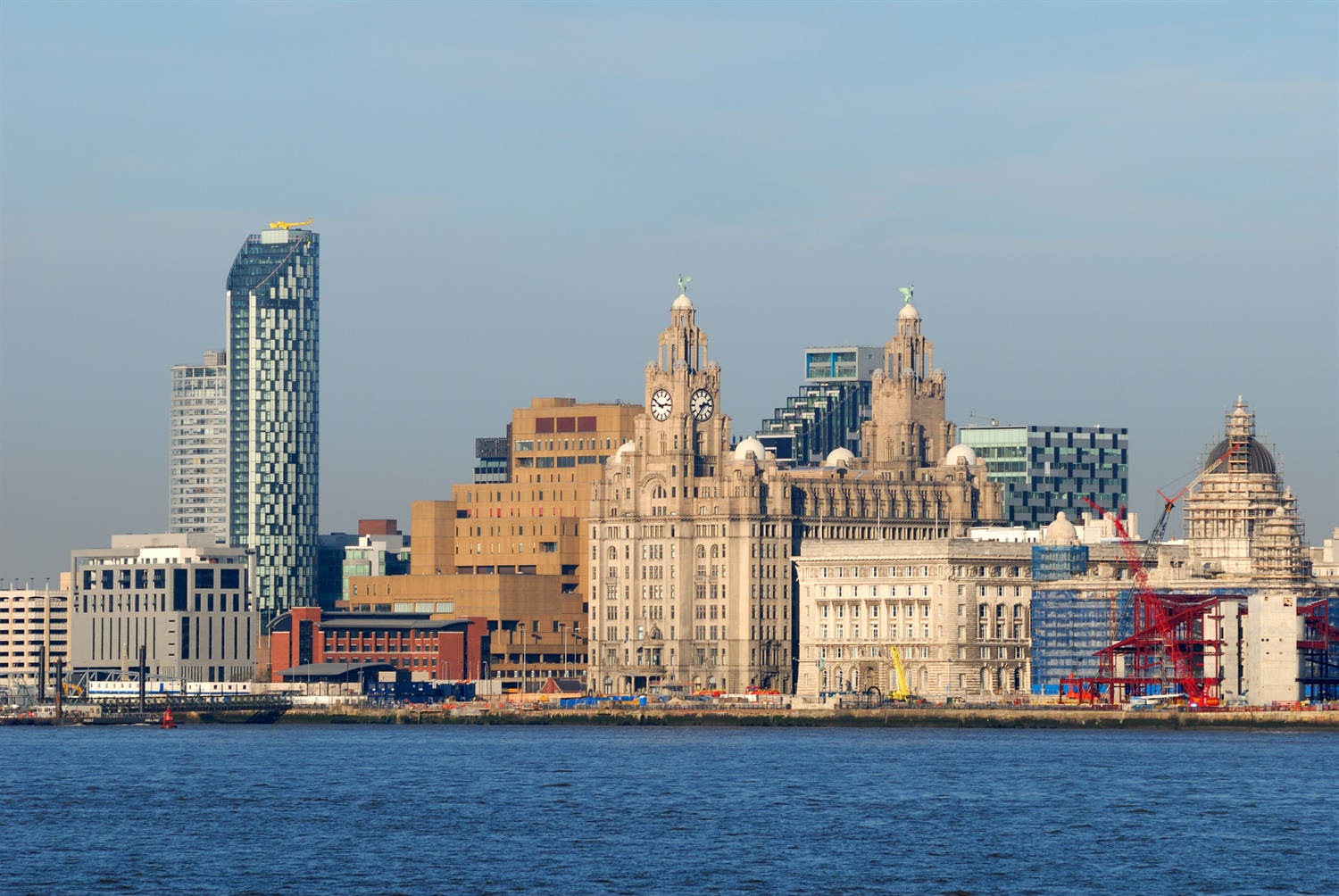
Conservation · planning · careful change
A historic city is never static. Effective stewardship safeguards significant docks, streets and buildings while guiding thoughtful adaptation for contemporary life.
A living landscape
Liverpool’s historic maritime landscape needs coordinated management, informed planning and practical conservation.
The former World Heritage Site was removed from the World Heritage List in 2021, but that change did not erase the significance of its surviving fabric. National and local designations, planning policy and conservation practice continue to shape decisions affecting historic buildings and their settings.
A Management Plan provides a shared framework for understanding significance and coordinating long-term action. Heritage coordination also brings together organisations with an interest in the future of the area.
Good stewardship does not require a city to stand still. It asks that change begins with evidence, responds to context and preserves the qualities that make each place distinctive.
Liverpool’s maritime mercantile city was inscribed in 2004 and removed from the World Heritage List in 2021. Formal protections and planning requirements should always be confirmed through the relevant public authorities.
The protection framework
Management, planning and conservation work at different scales. Together, they help relate long-term objectives to decisions about individual places.
A shared framework can define significance, priorities and coordinated action across a complex historic urban landscape.
Explore the Management Plan →
Planning policy sets the spatial framework through which development, land use and heritage considerations are assessed.
Read about the Local Plan →
Research, repair and sensitive reuse can retain significant fabric while supporting viable new purposes for historic places.
Understand conservation →
How protection works
Sound conservation decisions connect an understanding of significance with design, maintenance and review.
Identify the buildings, spaces, views and relationships that explain the character of the place.
Consider how scale, materials, use and setting may affect significant historic fabric.
Seek contemporary solutions that respond to local character without imitating the past.
Care for existing fabric and monitor how completed changes perform over time.
What’s included
Protection is broader than preserving prominent façades. It includes the relationships that make the maritime landscape legible.
Docks, warehouses, commercial buildings, civic architecture and the details that reveal how they were made.
Street patterns, building scale, open space and the connections between the city centre and river.
The visual and spatial relationships through which landmarks and waterfront structures are understood.
Thoughtful adaptation that keeps significant buildings useful while retaining the evidence of their history.
Protection explained
No. Liverpool’s maritime mercantile city was removed from the World Heritage List in 2021. Its historic buildings and areas may nevertheless remain subject to national and local heritage protection.
No. International status and domestic planning protections are different systems. Listed buildings, conservation areas and planning policies may continue to apply.
It provides a coordinated framework for understanding significance, setting priorities and guiding action across the historic urban landscape.
The Local Plan establishes policies used when assessing development and land-use proposals, including their potential effects on heritage assets and local character.
Yes. Sensitive adaptation can support long-term use, provided proposals understand significant fabric and manage change carefully.
Not necessarily. Good contemporary design can contribute positively when its scale, materials and relationship to the surrounding historic context are carefully considered.
Coordination can bring together organisations with responsibilities for planning, conservation and the future of the historic area. Read the overview of heritage coordination.
Explore Liverpool’s character areas to see how docks, streets and monumental buildings combine as one historic urban landscape.